"A Call to ecological consciousness"
ecology of being
"A Call to ecological consciousness"
"A Call to ecological consciousness"
"the making of an ecological being"
"the making of an ecological being"
learning pathway programme
you are being called.. to heed the Call..
to depth ecological consciousness..
a call reverberating across our entire world today.
you are being called...
to heed the Call..
to depth ecological consciousness..
a call reverberating across our entire world today.
If you are increasingly deeply frustrated and disturbed by the glaring ecological and meteorological tipping points, caused by the wanton destruction of our biosphere - actually our sacred Earthland - and the entwined staggering political and social conflict and division, manufactured by modern humans worldwide..
We have something important for you.. something you may have been seeking for some time...
If you are increasingly deeply frustrated and disturbed by the glaring ecological and meteorological tipping points, caused by the wanton destruction of our biosphere - actually our sacred Earthland - and the entwined staggering political and social conflict and division, manufactured by modern humans worldwide... We have something important for you.. something you may have been seeking for some time...
we have created a dynamic gateway training called "The Making of an Ecological Being" delivered through the platform Ecology of Being. this is an advanced level psycho-ecological programme and provides the skills and ecological consciousness to operate from a "state of depth attunement within the greater nature system"and equips those who undertake this work to transform their roles in life.
To accomplish this,we have designed a set of developmentally transformational learning pathways. these form the central part of the architecture of the training programme and at their most fundamental they are sequential, ecological transitions towards re-learning how we establish intimate, deeply attuned relationships with the more than human world. They are structured to provide an acute learning process to re-orientate and re-condition our modern human psyche away from our deeply divisive "us and them" approach to other nature and towards a healthy and profoundly unifying relationship with the more-than-human world.
We are looking for those who have a deeply felt connection to nature and want to prioritise how they personally relate to the more-than-human world. Those who are ready to take the responsibility to put frameworks in place to facilitate, enhance and transform their lives.
presenting...
"the making of an ecological being"
an advanced psycho-ecological programme
we have created a dynamic gateway training called "The Making of an Ecological Being" delivered through the platform Ecology of Being. this is an advanced level psycho-ecological programme and provides the skills and ecological consciousness to operate from a "state of depth attunement within the greater nature system" and equips those who undertake this work to transform their roles in life.
To accomplish this,we have designed a set of developmentally transformational learning pathways. these form the central part of the architecture of the training programme and at their most fundamental they are sequential, ecological transitions towards re-learning how we establish intimate, deeply attuned relationships with the more than human world. They are structured to provide an acute learning process to re-orientate and re-condition our modern human psyche away from our deeply divisive "us and them" approach to other nature and towards a healthy and profoundly unifying relationship with the more-than-human world.
We are looking for those who have a deeply felt connection to nature and want to prioritise how they personally relate to the more-than-human world. Those who are ready to take the responsibility to put frameworks in place to facilitate, enhance and transform their lives.
presenting...
"the making of an ecological being"
- an advanced psycho-ecological programme
The programme is set out over nine weeks of sequential and transitional maturational process, offering opportunities to accomplish significant ecological "Rites of Passage". These accomplishments will enable participants to centre their future lives and decision-making both personal and collective on the psycho-ecological health and wellbeing of the human and more-than-human whole.
integral to this set of learning pathways is a process and structure designed to radically refine and attune the practice of building relationships within nature. This process develops a foundational understanding that more-than-human persons are our natural and active Teachers, Guides, Initiators and Healers.
each Learning Pathway is guided by a specific piece of ecological art. These Initiatory artworks are used to facilitate the depth grounding necessary for a very different relationship with our Earthland and an ecologically advanced way of operating in our lives.
These depth learning interactions establish clear focus and deep grounding, providing connective orientation in our relationships with more-than-human persons. It is of the utmost importance that we approach nature from a state of psychosomatic unity, developing the skills of embodied intercommunication within nature is a critical learning process within the wider programme. It is vital that we restore the depth knowledge that our physical and psychic body, working as a unified whole and working in full attunement within the ecological environment around us, is essentially, our real mind. Comprehending and actioning this then allows us to understand that we are an intimate, integral part of the greater mind of connective nature.This, of course, is the knowledge we have lost touch with as modern humans, we have fragmented and corralled our understanding of mind. when we accomplish this depth understanding of mind, we are able to operate as "beings of nature" with an advanced ecological consciousness.
These depth learning interactions establish clear focus and deep grounding, providing connective orientation in our relationships with more-than-human persons. It is of the utmost importance that we approach nature from a state of psychosomatic unity, developing the skills of embodied intercommunication within nature is a critical learning process within the wider programme. It is vital that we restore the depth knowledge that our physical and psychic body, working as a unified whole and working in full attunement within the ecological environment around us, is essentially our real mind. Comprehending and actioning this then allows us to understand that we are an intimate, integral part of the greater mind of connective nature.This, of course, is the knowledge we have lost touch with as modern humans, we have fragmented and corralled our understanding of mind. when we accomplish this depth understanding of mind, we are able to operate as "beings of nature" with an advanced ecological consciousness.
overview of learning pathway programme
overview of learning pathway programme
Learning Pathway 1
Honouring our journey/Taking ecological responsibility/Establishing an Earth Identity/Beginning an Earth Log
Learning Pathway 1
Honouring our journey/Taking ecological responsibility/Establishing an Earth Identity/Beginning an Earth Log
Learning Pathway 2
Identifying a potential More-Than-Human relationship in our local environment/Developing our Earth Logs
Learning Pathway 2
Identifying a potential More-Than-Human relationship in our local environment/Developing our Earth Logs
Learning Pathway 3
Beginning the connective learning process/moving into an intimate, attuned relationship with a more-than-human person
Learning Pathway 4
Progressing our understanding and use of the first level of the connective matrix/Furthering of our relationship with a more-than-human person
Learning Pathway 4
Progressing our understanding and use of the first level of the connective matrix/Furthering of our relationship with a more-than-human person
Learning Pathway 5
Integrating the values and outcome level of the connective matrix/Progressing our more-than-human relationships
Learning Pathway 5
Integrating the values and outcome level of the connective matrix/Progressing our more-than-human relationships
Learning Pathway 6
Focusing on our use of both parts of the connective matrix, their interaction and how we organise our thinking and practice
Learning Pathway 7
Re-establishing a depth understanding of reverence for the whole nature world
Learning Pathway 7
Re-establishing a depth understanding of reverence for the whole nature world
Learning Pathway 8
Establishing an understanding of "presence" of place /Progressing our engagement with other nature and our use of the connective matrix in this context
Learning Pathway 8
Establishing an understanding of "presence" of place /Progressing our engagement with other nature and our use of the connective matrix
Learning Pathway 9
Reflecting on our relationships with other nature and our use of the connective matrix and how we progress this ongoing development in our personal and professional lives
…Ecology of Being Learning Pathways have broad, universal applications and will appeal to individuals working across diverse fields.
Katrine Henderson and NallaRuer are an artist connective and co-founders of the online learning platform Ecology of Being.
They view Ecology of Being as an extension of their artwork project and the whole of their work as an expression of the outerior connective reality of nature. Their foundational driver is the accumulated learning and knowledge they have acquired from their attuned relationships with the more-than-human world. The ancient story of humans in nature and their interwoven relationships with other beings in nature provides the paradigm and context for the development and dissemination of their work.
They see the vast web of intercommunication and inter-connection that flows through all of our Earthland as the greater intelligence of nature that bonds all aspects of life in mutuality and reciprocity. The state of being that the vast majority of modern humans have now separated themselves from.
the programme will run in Jan,Feb & March 2027 (final dates to be confirmed). we are now looking for participants who are ready to take this vital next step in their ecological commitment and development.
Training groups will be limited to 30 places, this is the maximum optimum size for accomplishing high-level collective and individual psycho-ecological development in a course of this standing.
We are looking for participants who are willing to develop a deeper understanding of their own capacity to contribute to the greater cause of changing the direction of human psycho-ecological knowledge and development. This is part of the critical challenge facing all of humanity and must begin with each of us but must be accomplished overall as a collective endeavour, this training is a potent contribution to this.
If you are excited by this challenge and willing to take on this responsibility, early registration is essential so that we know the level of interest and commitment and can plan accordingly.
There will be a short application process to ascertain if participants are a suitable fit for this programme. This is an opportunity without direct parallels and is an absolutely unique, transformational experience. We look forward to welcoming you.
A transformational opportunity like no other...
…Ecology of Being Learning Pathways have broad, universal applications and will appeal to individuals working across diverse fields.
sign up here to access detailed Programme Information & our Application process

For An Overview of Ecology of Being
Please connect with
ecologyofbeing.earth
the programme will run in Jan,Feb & March 2027 (final dates to be confirmed). we are now looking for participants who are ready to take this vital next step in their ecological commitment and development.
Training groups will be limited to 30 places, this is the maximum optimum size for accomplishing high-level collective and individual psycho-ecological development in a course of this standing.
We are looking for participants who are willing to develop a deeper understanding of their own capacity to contribute to the greater cause of changing the direction of human psycho-ecological knowledge and development. This is part of the critical challenge facing all of humanity and must begin with each of us but must be accomplished overall as a collective endeavour, this training is a potent contribution to this.
If you are excited by this challenge and willing to take on this responsibility, early registration is essential so that we know the level of interest and commitment and can plan accordingly.
There will be a short application process to ascertain if participants are a suitable fit for this programme. This is an opportunity without direct parallels and is an absolutely unique, transformational experience. We look forward to welcoming you.
A transformational opportunity like no other...
Programme Facilitators:
sign up to access detailed Programme Information & our Application process
For an Overview of Ecology of Being
Please connect with ecologyofbeing.earth
Programme Founders & Facilitators:
The Lead Facilitators for this programme are visual artist and psycho-ecological guide NallaRuer and outdoor experiential guide and programme director Katrine Henderson.
NallaRuer is a co-founder of Ecology of Being alongside Katrine Henderson. they both take lead roles in the design and delivery of the whole project. They have background experience in educational, sociological, ecological and psychological arenas. The fusion of these experiences informs the therapeutic, developmental and educational dynamic of their art practice and their initiatory teaching roles. Click below to read more.
…We understand "depth ecological consciousness" as "the state of connective integration within the expansive web of the nature system".
The "Modern-Humans" behind Ecology of Being
The "Modern-Humans" behind Ecology of Being
Katrine Henderson and NallaRuer are an artist connective and co-founders of the online learning platform Ecology of Being.
They view Ecology of Being as an extension of their artwork project and the whole of their work as an expression of the outerior connective reality of nature. Their foundational driver is the accumulated learning and knowledge they have acquired from their attuned relationships with the more-than-human world. The ancient story of humans in nature and their interwoven relationships with other beings in nature provides the paradigm and context for the development and dissemination of their work.
They see the vast web of intercommunication and inter-connection that flows through all of our Earthland as the greater intelligence of nature that bonds all aspects of life in mutuality and reciprocity. The state of being that the vast majority of modern humans have now separated themselves from.
Profile of Katrine Henderson
Profile of Katrine Henderson
Katrine was born and spent her childhood in Scotland’s rural Eastern Borderlands and was educated in both Scottish and English schools. She has an educational background in languages and all aspects of theatre, both professional and amateur. She was an active member of her Bradford Theatre Group and regularly performed or directed at Theatre-in-the-mill - highlights being the female lead "Miranda" in Shakespeare's"the Tempest" and staging a show "Spudtactular, Spudtacular" performed entirely by potatoes..Needless to say it was a 'Smash'! as part of her degree year abroad she attended Youkali Musical theatre School and performed a catalan play to a catalan/castillian audience in Barcelona and was congratulated on her interpretation of her role by the playwright himself.
katrine is a trained teacher with specific training in ‘outdoor experiential education’. She studied languages at the University of Bradford in England and completed a B.Ed at Queens University, in Kingston, Ontario, Canada.
She has been involved in the developing artist collaboration that is Ecology of Being, for a decade and a half. This has included the facilitation of ecological narratives, website design, exhibitions and curation, digital image-story-making and nature photography.
Katrine describes her conscious connection to a deeper relationship with nature as having its beginnings whilst staying on her family farm in Norway during her childhood summers. She describes her facilitators as elders of her extended Norwegian family who themselves held deep bonds with the Norwegian forest Earthland and shared this with her. This helped her to view nature as a set of personal visceral relationships. She particularly made a long-standing connection with the insect world; this formed the foundations of how she experiences nature, from the small world, i.e. making sure the wasps in her garden have drinking water accessible to everything else.
The Oslofjord and its nature played a significant role in shaping her ecological identity. A stand-out experience for her was an encounter with the natural phenomenon of bioluminescence in the form of algal blooms during a ‘nattebad’ night-swimming in the Oslofjord late August. The water was seemingly electrified. Her father, a former marine biologist explained to her that the plankton only emit the light when they are disturbed or touched by something, in this case it was her hand that set off their amazing light-show all around her. This in turn electrified her connection with nature and helped to form a long-lasting bond and deep respect for all nature.
She describes her strengths as walking in reciprocal sentience within nature, having a natural reverence for other beings in nature and being able to see and connect with nature that is mostly not seen or over-looked. This is matched by her ability to intuit the meaning and personal relevance of the stories, animals and images that appear to her in her dreaming life. This is balanced by her passion for her female identity and her anger towards the rise in misogyny, injustice, inauthenticity and abuse of power. She is committed to making a positive contribution to restoring balance in our human relationship within our Earthland; by changing human attitudes to nature, thereby diminishing human destruction and depletion of nature whilst simultaneously restoring nature to its rightful place of deep respect and vital influence. She’s equally committed to restoring the dynamic feminine spectrum across our species.
Profile of Nallaruer
…we understand "depth ecological consciousness" as "the state of connective integration within the expansive web of the nature system".
Profile of Nallaruer
Nallaruer is a visual artist and co-founder of "Ecology of Being", a platform that facilitates psycho-ecological development through a community and "Learning Pathway" programmes. He has been working as a visual artist for twenty-five years, producing painted "Image Stories", he describes this work as "Initiatory Art". Ecology of Being is an outreach of the ecological knowledge and the parallel responsibilities that emerge from this work.
NallaRuer was born into the post-industrial and post second world war damaged central Manchester, England. The area where he lived for the early years of his life had been severely bombed during what was called 'The Blitz' - the name is a shortened form of Blitzkrieg to describe the intense German bombing campaign over Britain. This meant large areas around his home were a wasteland covered by cinder "crofts", coupled with its industrial legacy, this created an environment of highly toxic rivers and canals and a near complete absence of any flora and fauna. Manchester was one of the first and most industrialised cities in the world and the core driver of its development was Trans-Atlantic Slavery. His early school environment was a stark reflection of all this surrounding damage and history, with its Victorian outlook including corporal punishment and other violence integrated into the school system. From his very early years at school he resisted these embedded punitive behaviours and the accompanying rigid attitudes to learning. He survived by rejecting any reliance on the school system and instead went about building a mental and learning resilience that relied on his own personal experience and resources. This proved to be a powerful formative developmental journey and emerged into a very particular long-lasting approach to learning and education.
Eventually his family moved into the suburbs of Manchester where there were trees and parks and at the age of 13 he joined a mountaineering group established by a PE teacher and was able to immerse himself in climbing, walking, caving and orienteering. This fit perfectly with his desire for the outdoors and exposed him to the mountain and hill environments of the Peak District and Northern Fells of England, the Cairngorms and Arran Hills of Scotland and the Eryri (Snowdonia) mountains in North Wales. This opened him to austere, beautiful, isolated and expansive worlds, utterly different to his urban life, this laid down the foundations of a life-long walking and communing relationship with nature.
He says he developed an uncanny conviction in his late adolescence that he would become a visual artist and after finishing school he undertook a foundational training in fine art at Rochdale College of Art and Design in England. He then established a studio, however he soon began to realise that he needed other developmental experience if he was to undertake the work for which he had a powerful intuition. He eventually decided to embark on a world trip as a first step to further this quest that would see him visiting twenty countries on five continents. What he did not appreciate at the time was the scale of the task he had set himself and the long labyrinthine journey that lay before him.
The world has changed a lot since his first travels but he describes some of the highlights of this trip as: Travelling in the Southern Iranian desert against all good advice and then crossing the arid desert and mountain province of Balochistan, part of this journey on a Baloch rebel-held train; Accompanying a Sikh family he was staying with to the Golden Temple in Amritsar in the Punjab, a pre-eminent spiritual gurdwara of Sikhism; Visiting the white marble mausoleum, the Taj Mahal on the Yamuna river in Agra; Witnessing extensive extreme poverty and disease and people dying, literally, in the gutter in Kerala, Southern India, an experience he describes as overwhelming and later a diametrically different experience while still in Kerala, he walked the beautiful Montane Forest in the Nilgiri Mountains; Meeting working elephants crossing a river at dawn in Kandy in central Sri Lanka; Crossing the Indian Ocean and hitting a ferocious storm that nearly sank the ship he was on; Working with children and young people living with severe and terminal physical disabilities in Perth, Western Australia and receiving a full-on education in tenacity, endurance and anti-discriminatory practice - plus he had a lot of fun. Encountering profound racism across Australian society towards aboriginal peoples and their culture. Walking across part of the Nullarbor Plain with a female aboriginal guide and meeting Racehorse Goanna; Riding horse-back in the central highlands of the Andes in Peru with mountain rangers and seeing soaring Condors, ''an utterly austere and breath-taking experience''; Meeting indigenous Quechua peoples and crossing Lake Titicaca on the mountainous border of Peru and Bolivia; Walking in the forests of Southern Quebec, Canada meeting Humming birds, Wild Turkeys, Coyote and Vultures.
He has worked in a number of jobs including as a construction worker, chef, taxi driver, baker, youth leader, carpenter, furniture-maker and social worker. He later undertook an Advanced training in Rogerian Humanistic Psychotherapy including training in Psychodrama and Expressive Arts. He continued his formal higher education studying Social Policy and Social Work at the University of Manchester, England. He completed post-graduate Psychoanalytic Studies of children in the psychology department at the University of Leeds, England. He then undertook a specialist training in "Intergenerational Trauma" and also qualified as a "Clinical Supervisor" with the British Association of Psychology. He has since completed a training in Ecopsychology with the Pacifica Graduate Institute, California.
He worked as a community-based Psychotherapist with NGOs and in Statutory Child Protection Services. He held roles as Play Therapist, Counsellor, Service Manager and Project Director, specialising in establishing and leading projects from scratch working in some of the most challenged social environments in England and Wales. He established a highly successful "Play Therapy" service using Virginia Axlines's work as a therapeutic model. He was also influenced by the "Sand Play Therapy" model used by Jungian Therapist Dora Kalff. He saw his work as including the role of advocate for his client children and their families, who were nearly always overwhelmed by the multiple statutory services intervening in their lives. He saw many of the statutory interventions as alienating and often compounding the lived experience of mental illness, trauma, abuse and social depravation of his client-base. This work meant he often led cases in the Family courts as well as being called into court as a specialist witness.
During a ten year period, while practicing as a therapist, he undertook a program of personal therapy. this included both Jungian and Freudian Analysis, both of these were short-lived because of strong disagreements over the power imbalance in the relationship that he felt was completely unacceptable. He undertook two years in Jungian Sand Play Therapy and cites this as providing deep psychic insight that was instrumental in understanding psycho-ecological structural aspects in his later art practice. He went on to work with a Gestalt Therapist, Rogerian Therapist, a Psychodynamic Therapist and a Voice and Movement Therapist. He cites work with the Gestalt therapist as being the most personally useful and the Voice and Movement work to be the most challenging as well as the most fun. This decade of work gave him very useful working perspective across therapeutic disciplines as well providing him with much needed personal and professional balance while immersed in complex therapeutic and leadership work.
During the 25 years that he has worked as an artist, for ten of those years he also worked as a therapist. Currently he works both as a visual artist and as a project leader and teacher for Ecology of Being, a project he co-founded. Because of his early conviction that he would become a visual artist, he always saw his journey through all his lived experiences in work, travel and personal life as also a preparation for the artwork and psycho-ecological work he does today.
NallaRuer now lives in Scotland and has close access to walks on a major salmon river and its outlying riparian and woodland environments. This whole area is overlooked by a whaleback mountain the remnant of a 400 million-year-old volcanic range, for him this is a remnant sacred land.
Scotland, like its neighbours is one of the most nature-depleted countries in the world but it also has a unique opportunity, particularly because of its geographic location and remaining nature resources to change its relationship with nature. He is also acutely aware of the colonial and imperial legacy of the lands where he was born and now lives. This legacy includes the vicious enslavement of millions of African persons for capital gain and the worldwide destruction of indigenous peoples, their cultures and lives and the theft of their lands. This legacy continues to inflict and reinforce depravation, inequality and racism for many of these peoples descendants, and, to this day, proper reparations are being continually denied. He sees the huge suffering of many of the human population across the world and the accelerating destruction of the more-than-human world as intimately entwined.
the work of katrine henderson and nallaruer and the ecology of being project is a contribution to challenging and changing the direction of human development; establishing depth ecological consciousness and a deep understanding of the sacredness of our Earthland as the modus operandi for present and future generations of humans.
…the Making of An Ecological Being is an incredible opportunity to accomplish your own ecological transformation and join an ecological community. this is your chance to reconnect with our Earthland and to contribute to the restoration of your ecological self within the wider, connective psyche of nature.
…the Making of An Ecological Being is an incredible opportunity to accomplish your own ecological transformation and join an ecological community. this is your chance to reconnect with our Earthland and to contribute to the restoration of your ecological self within the wider, connective psyche of nature.
sign up to access detailed Programme Information & our Application process
the role of ecological art:
the role of ecological art:
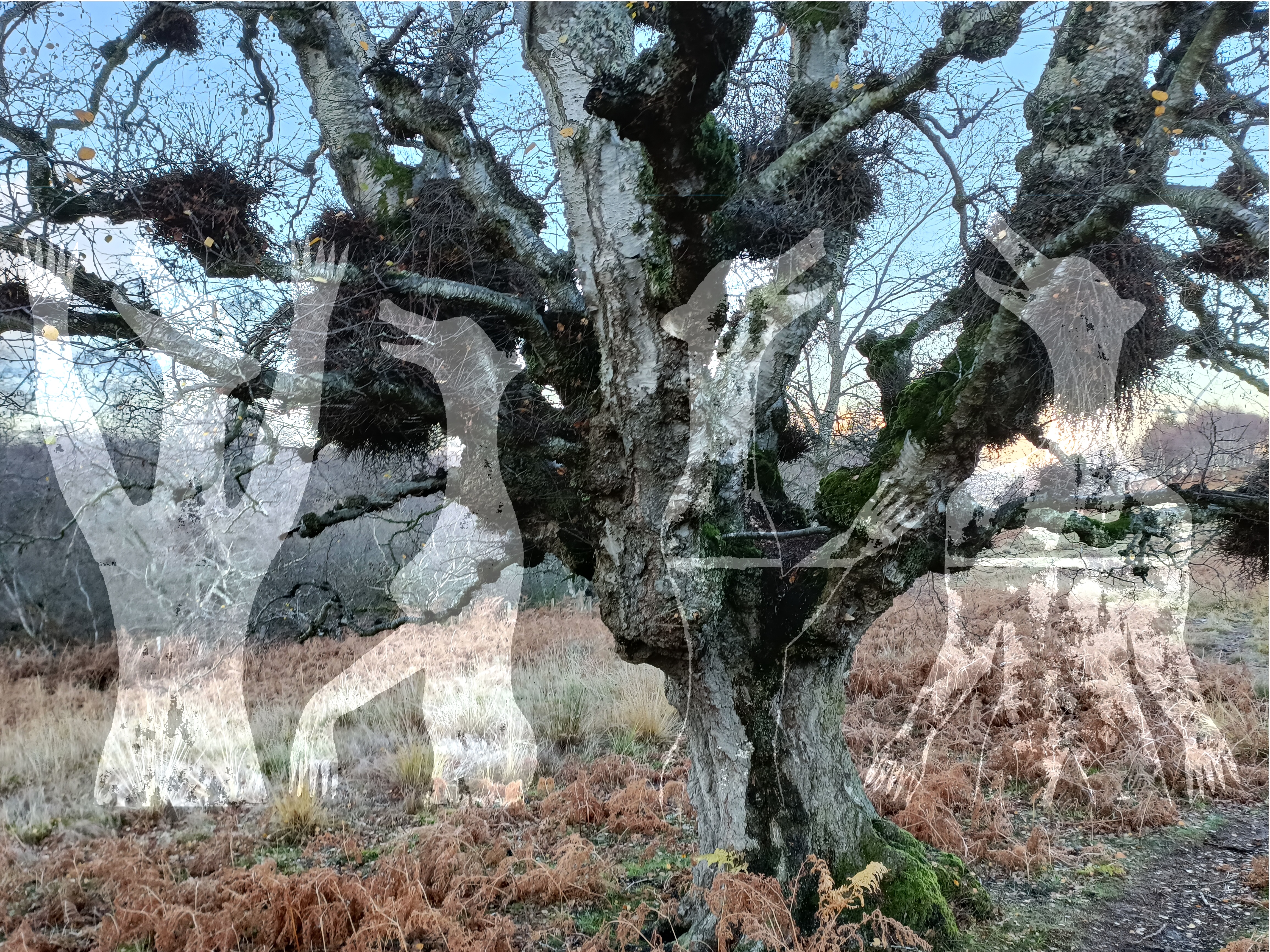
Ecological Art shapes and determines the unique work and character of Ecology of Being and its learning programmes and the critical ecological artworks of visual artist NallaRuer are foundational to our approach and practice. Specific pieces of "Initiatory Art" are used at every stage of the learning process, they provide vital initiatory bridges and entry points into the deeper consciousness of the connective reality of nature. These works are described as "Primordial Image Stories" and their parallel ecological narrative as "Incantations". they stand outside the paradigm of modern and contemporary art and are instead used by us as tools to facilitate maturational transitions and rites of passage. These works also provide a powerful bulwark to the overwhelming and deeply entrenched dominance of hard rational, over masculinised thinking processes that dominate our social and cultural landscapes and our relationships with the more-than-human world. Initiatory artworks perform as powerful, dynamic entities in our efforts to balance the divisive, dualistic functioning of the modern human mind.
The artworks of NallaRuer and the developmental opportunities of Ecology of Being are a dynamic and far-reaching contribution towards establishing the major evolutionary change in the "modern" human relationship with our Earthland that is underway right now in our time. As we stand in this moment in history and view the continuing widespread destruction of nature and the widespread extreme suffering of so many human and more-than-human persons, it is of the utmost imperative that we attempt to take our own ecological responsibility no matter how daunting and overwhelming that appears to be. Re-establishing depth psycho-ecological consciousness as the modus operandi in human development is the most vital and pressing responsibility in modern human history. enrolling on our programme "the making of an ecological being" is your next step to becoming a heathy, ecologically intelligent person. We welcome you to start your journey with us..
..Opt-in below to get more detailed info on the programme
sign up to access detailed Programme Information & our Application process
"the making of an ecological being"
sign up to access detailed Programme Information & our Application process
To see an exhibition of the artworks of NallaRuer please connect with NallaRuer.earth here.
To visit the blog of nallaruer "the greater psycho-ecological purpose of life" - click here.
To see an exhibition of the artworks of NallaRuer please connect with NallaRuer.earth here.
To visit the blog of nallaruer "the greater psycho-ecological purpose of life" - click here.
opening up our modern dualistic minds to an expansive ''Connective'' relationship with the ''Outerior'' mind of nature.
opening up our modern human dualistic minds to an expansive ''Connective'' relationship with the ''Outerior'' mind of nature.
opening up our modern human dualistic minds to an expansive ''Connective'' relationship with the ''Outerior'' mind of nature.
opening up our modern dualistic minds to an expansive ''Connective'' relationship with the ''Outerior'' mind of nature.
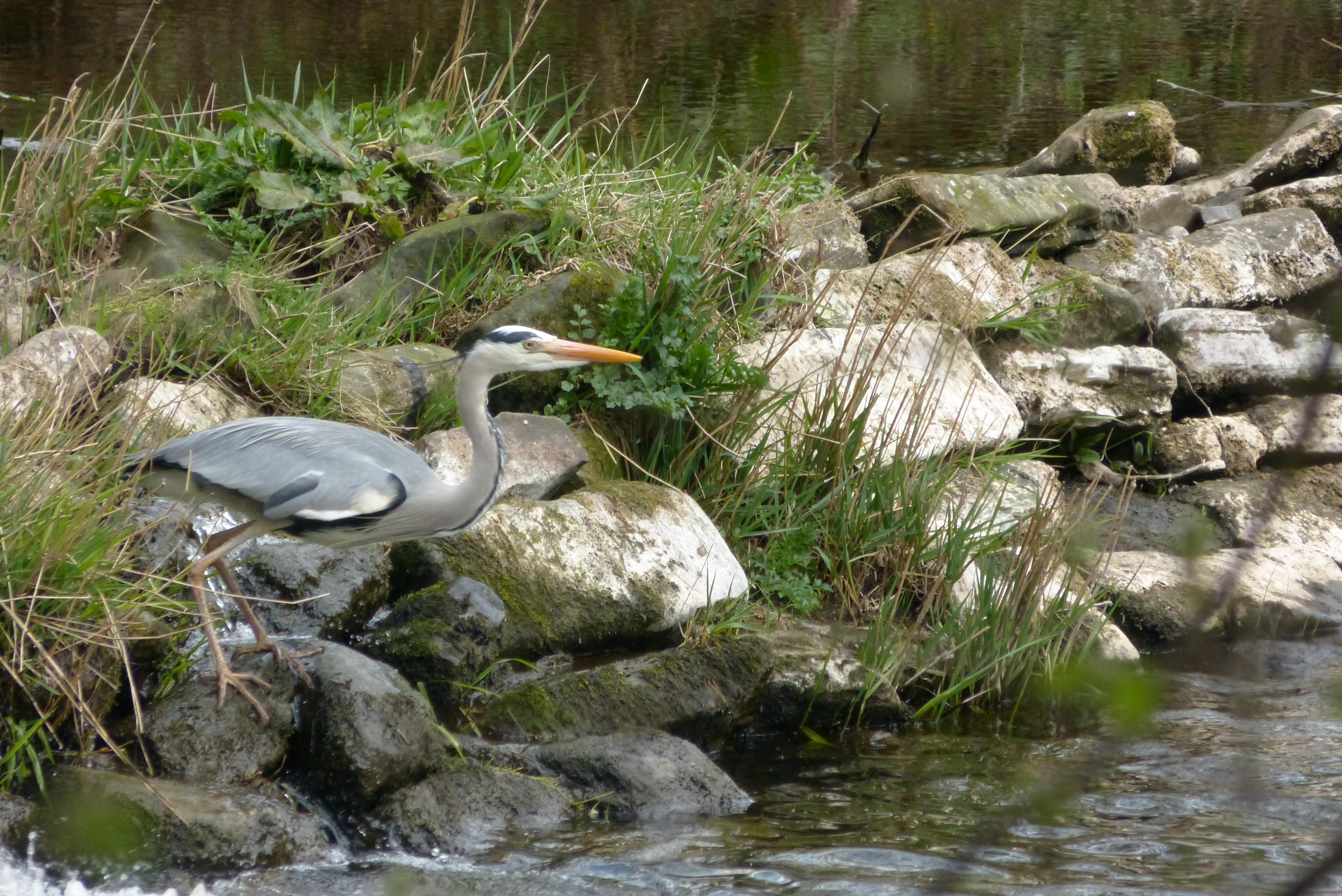
…Ecology of Being Learning Pathways have broad, universal applications and will appeal to individuals working across diverse fields.
…Ecology of Being Learning Pathways have broad, universal applications and will appeal to individuals working across diverse fields.
how our work is received...
The following are a selection of testimonials and feedback from encounters with our work & our previous 'Return to Origins' talks and exhibitions in the UK.
Colin Geddes
Edinburgh, Scotland
"Wow! Amazing! I am lost for words! Speechless in a good way.."
Andy Fisher
Eco-psychologist, Academic & Author - Ontario, Canada
"..So much to savour in what you have written. You have made some deliberate choices and these have clearly made for a life of intimate relationships in multiple dimensions. Cheers, Andy"
Ian James
Scotland
"A wonderful combination of the intellectual & the spiritual human truth of our existence & our lack of respect for our origins, the planet and our place in it all. I got it straight away thanks to your clarity of vision"
Angela MacKenzie,
Melbourne, Australia
"Gratitude for the artistic showing of deep knowing in this way. Something in me resonates"
Mary Anne Willow
Author, Innerleithen. Scotland
"Spiritually Inspiring - Compelling & Alluring"
Fiona Worthington
Broughton, England
"Good to meet a connection - fascinating "
how our work is received...
The following are a selection of testimonials and feedback from encounters with our work & our previous 'Return to Origins' talks and exhibitions in the UK.
Andy Fisher
Eco-psychologist, Academic & Author, Ontario, Canada
"..So much to savour in what you have written. You have made some deliberate choices and these have clearly made for a life of intimate relationships in multiple dimensions. Cheers, Andy"
"Good to meet a connection - fascinating"
Fiona Worthington
Broughton, England, UK
"Good to meet a connection - fascinating"
"..So much to savour in what you have written. You have made some deliberate choices and these have clearly made for a life of intimate relationships in multiple dimensions. Cheers, Andy"
Fiona Worthington
Broughton, England, UK
"Good to meet a connection - fascinating"
"..So much to savour in what you have written. You have made some deliberate choices and these have clearly made for a life of intimate relationships in multiple dimensions. Cheers, Andy"
Andy Fisher
Eco-psychologist, Academic & Author, Ontario, Canada
"Good to meet a connection - fascinating"
Ian James
Scotland
"A wonderful combination of the intellectual & the spiritual human truth of our existence & our lack of respect for our origins, the planet and our place in it all. I got it straight away thanks to your clarity of vision"
"A wonderful combination of the intellectual & the spiritual human truth of our existence & our lack of respect for our origins, the planet and our place in it all. I got it straight away thanks to your clarity of vision"
Colin Geddes
Edinburgh, Scotland
"Wow! Amazing! I am lost for words! Speechless in a good way.."
Colin Geddes
Colin Geddes
Edinburgh, Scotland
"Wow! Amazing! I am lost for words! Speechless in a good way.."
Angela MacKenzie,
Melbourne, Australia
"Gratitude for the artistic showing of deep knowing in this way. Something in me resonates"
Mary Anne Willow
Author, Innerleithen. Scotland
"Spiritually Inspiring - Compelling & Alluring"
Catherine
N Queensferry, Fife, Scotland
"Unexpected & Beautiful"
Angela MacKenzie,
Melbourne, Australia
"Gratitude for the artistic showing of deep knowing in this way. Something in me resonates"
Angela MacKenzie,
Melbourne, Australia
"Gratitude for the artistic showing of deep knowing in this way. Something in me resonates"
Mary Anne Willow
Author, Innerleithen. Scotland
"Spiritually Inspiring - Compelling & Alluring"
Catherine
N Queensferry, Fife, Scotland
"Unexpected & Beautiful"
Catherine
N Queensferry, Fife, Scotland
"Unexpected & Beautiful"
Copyright © 2026 Ecology of Being. All Rights Reserved.